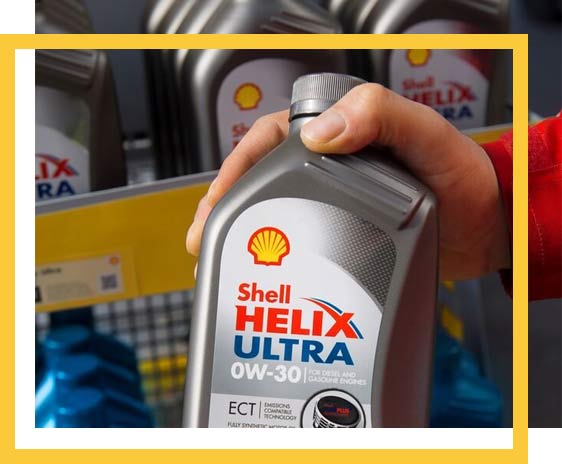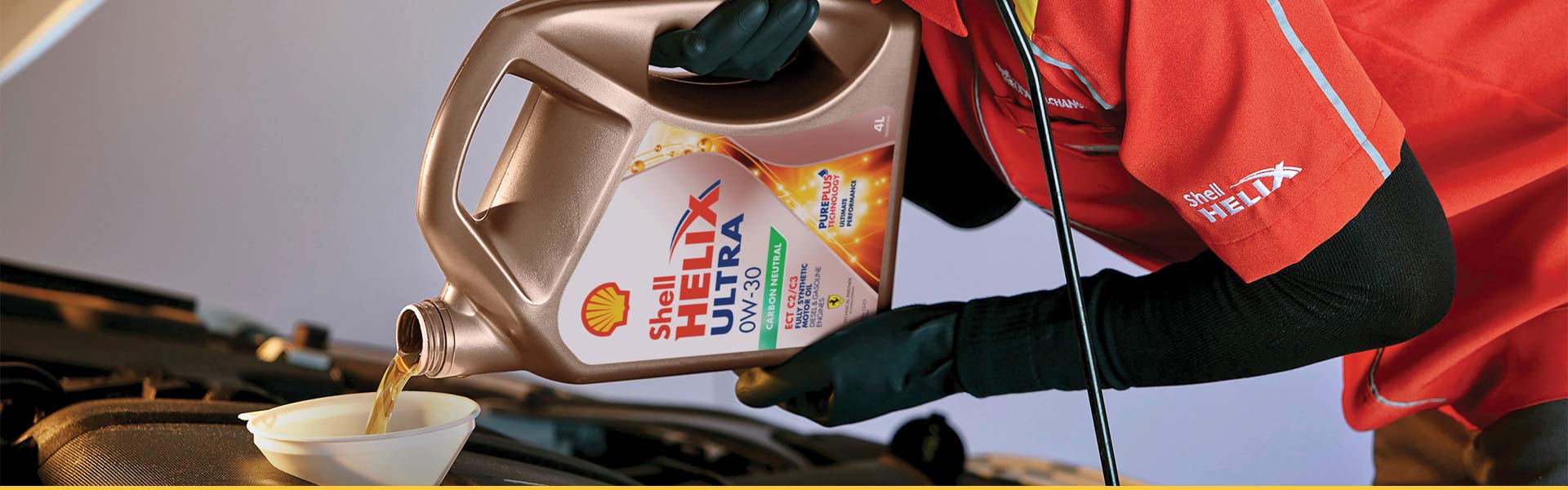
| Shell has announced that it is starting to offer its customers around the world a new portfolio of zero carbon footprint lubricants. As the demands for reducing CO2 emissions continue to rise, companies are seeking ways to meet the limits that have been set. Shell, recognizing its significant role in this as one of the leading companies in the lubricants sector, is exploring a range of solutions to avoid, reduce, and offset emissions. At the same time, it always aims to ensure that consumers and its customers benefit as much as possible from its products. Within this framework, Shell has introduced an extensive range of zero carbon footprint lubricants. This portfolio covers advanced passenger car and heavy-duty engine lubricants, as well as industrial lubricants. From selected members of the Shell Helix Ultra and Shell Rimula families to a wide range of industrial lubricants and greases, the company’s customers will now have the option to choose carbon-neutral products. |
|||||||||||
|
|
|||||||||||
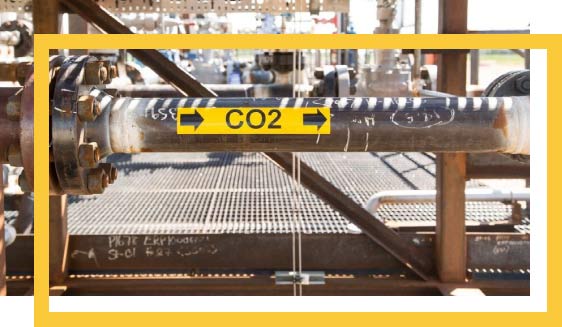
In the race to reduce carbon emissions The global carbon credits portfolio, based on the environmental projects in which Shell participates, will offset CO2 emissions from the entire lifecycle of these products. Such a lifecycle includes the supply of raw materials and the production-distribution of lubricants. Also part of the cycle is the use of the products until the end of their useful life. |
|||||||||||
|
|
|||||||||||
|
|||||||||||
| However, behind performance demands, balancing productivity with the environmental footprint it creates is becoming increasingly necessary. Consumers and businesses now expect their suppliers to provide environmentally sustainable solutions, enabling them to make sustainable choices in turn. Responding to all these demands, Shell is exploring a range of initiatives aimed at avoiding, reducing, or offsetting CO2 emissions. At the same time, it works with its customers and partners to find solutions that meet their operational and environmental goals. |
|||||||||||
|
|
|||||||||||
|
|||||||||||
|
|||||||||||